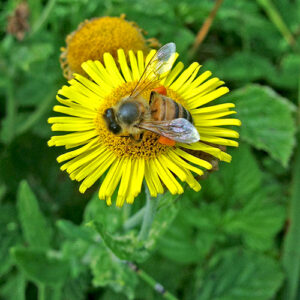
As an RHS ‘Partner Garden’ and we are delighted to have been invited to contribute a garden to the Royal Horticultural Society’s Sandringham Flower Show, 22-26 July. Our garden is titled ‘Just Flowers, Bees n’Things: High Summer at Natural Surroundings’ and will be an opportunity for us present a snapshot of our gardens to a wider public.
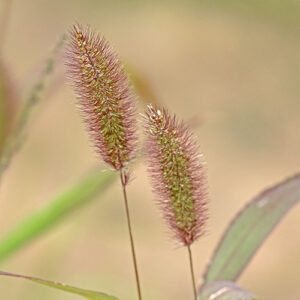
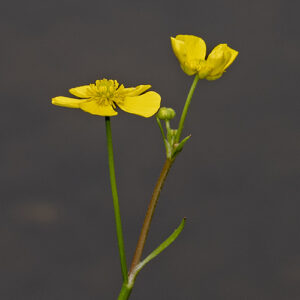
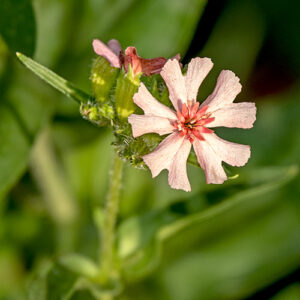
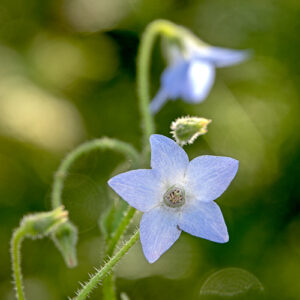
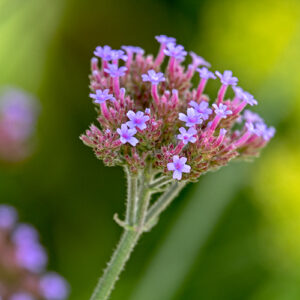
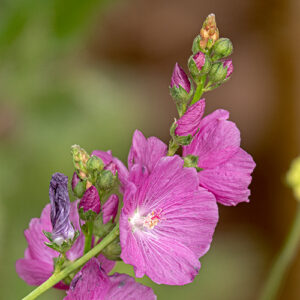
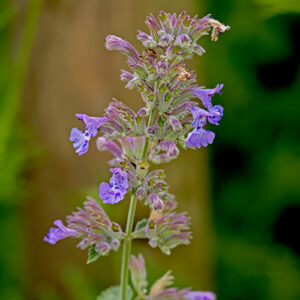
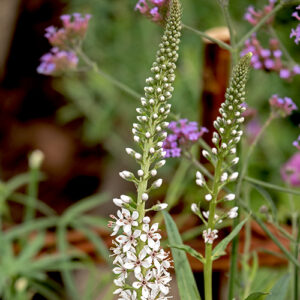
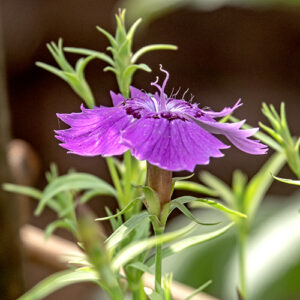
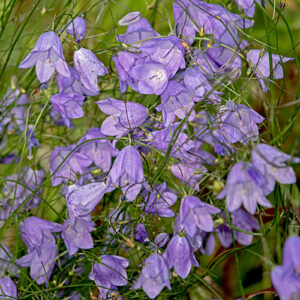
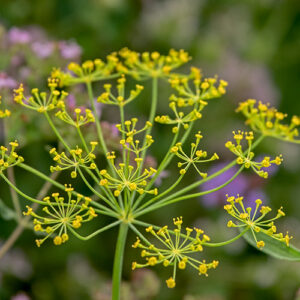
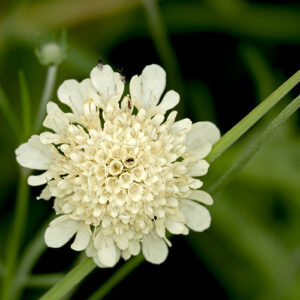
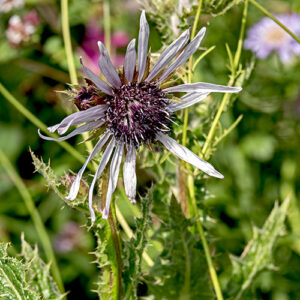
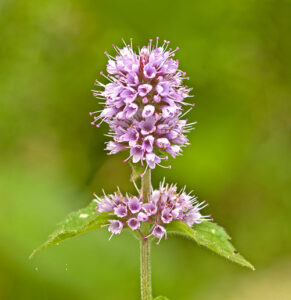
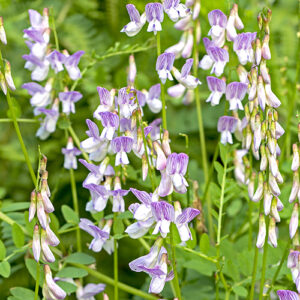
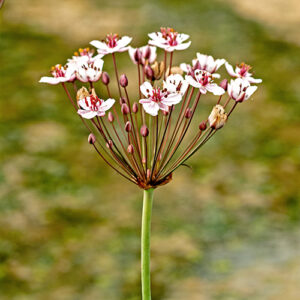
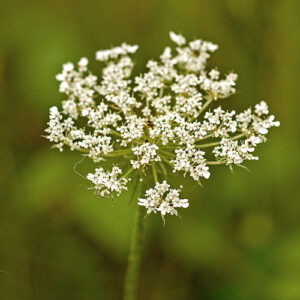
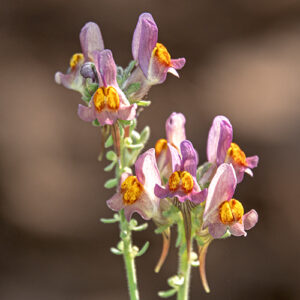
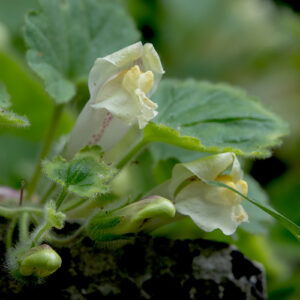
Designed by Anne Harrap, Natural Surroundings’ founder and co-owner, and built with help of volunteers, this relatively small show garden will highlight the joint themes of our gardens at Natural Surroundings: demonstrating that gardens can be both beautiful and filled with wildlife, and showcasing the beauty and fascination of plants. In our garden at RHS Sandringham an area of informal, naturalistic planting, including native wildflowers such as Purple Loosestrife, Hemp Agrimony and Wild Marjoram, mirrors the flower-filled meadows alongside the River Glaven at Natural Surroundings, and surrounds a circular courtyard of troughs and a micro pond (in an old tin bath) planted with some of designer Anne’s ‘specials’. With a wide variety of flowers in a small space, the garden reflects one of our key messages - more plants, and a greater variety of plants, attracts more wildlife.
In 2026 horticulture has embraced wildlife-friendly gardening and sustainability and these are common themes at RHS Sandringham. It was not always so. Returning home to Norfolk after several years studying biology and countryside management but unable to get a job that sat comfortably with her ethical approach, Natural Surroundings was founded by Anne (then Anne Starling) in 1989 to promote wildlife-friendly gardening. Attitudes were very different then and Anne was told in no uncertain terms that gardening and horticulture were ‘ornamental not environmental’ by one local nurseryman! In those early days it was a struggle to keep Natural Surroundings going but slowly the gardening world has caught up. Our gardens at Natural Surroundings are now full of flowers and attract an incredible diversity of wildlife, from 30 species of butterfly to over 950 species of moth. How the worm has turned.