2026 WORKSHOPS
Our workshops cover a variety of subjects but all have one thing in common.They are carefully planned to give a clear and easily understandable introduction to the subject, in plain English, combined with hands-on experience of the real thing. Our workshops are therefore suitable for beginners, as well as anyone who wants to brush-up and consolidate their knowledge.
All workshops run from 10.30am to 3pm, and the cost is £45.00 per person, including a welcome drink and light buffet lunch. Numbers are limited and booking is essential - please email wildlife@naturalsurroundings.info or phone 01263 711091.
Saturday 18th April
Introduction to Wildlife-friendly Gardening
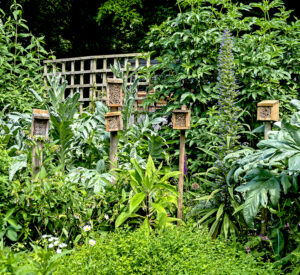
Founded in 1989, Natural Surroundings pioneered wildlife-friendly gardening and we have decades of experience. Wildlife gardening is on everyone’s lips but what exactly does it mean? Cutting through the jargon we will look at the various interpretations of ‘wilding’, and ‘wildlife gardening’ and at the practical steps that you can take to make your garden more biodiverse and a haven for both people and wildlife. At this time of year many creatures are waking-up from their winter slumbers and there should be lots to see and learn from as we tour the gardens.
Saturday 6th June
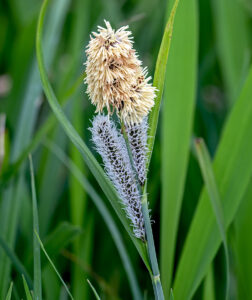
Grasses, Sedges and Rushes for Complete Beginners
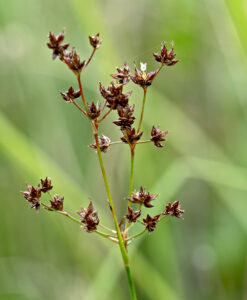
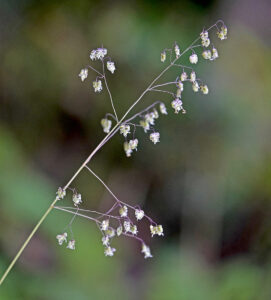
Everyone loves wild flowers - think Bluebells, Poppies and Cowslips - but around 25% of our native wild flowers are much less conspicuous and often overlooked. Grasses, sedges and rushes are all pollinated by the wind rather than by insects and do not need big, colourful flowers. Take a closer look, however, and their flowers are very varied, intricate and often rather beautiful. In this introductory workshop will look at the differences between grasses, rushes and sedges and learn to recognise some of the commonest and most distinctive species.
Sunday 14th June
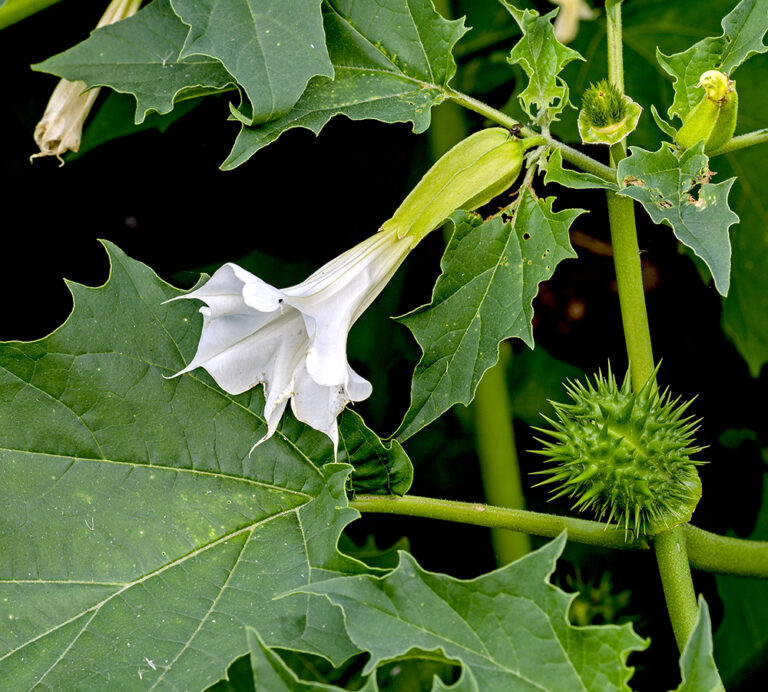
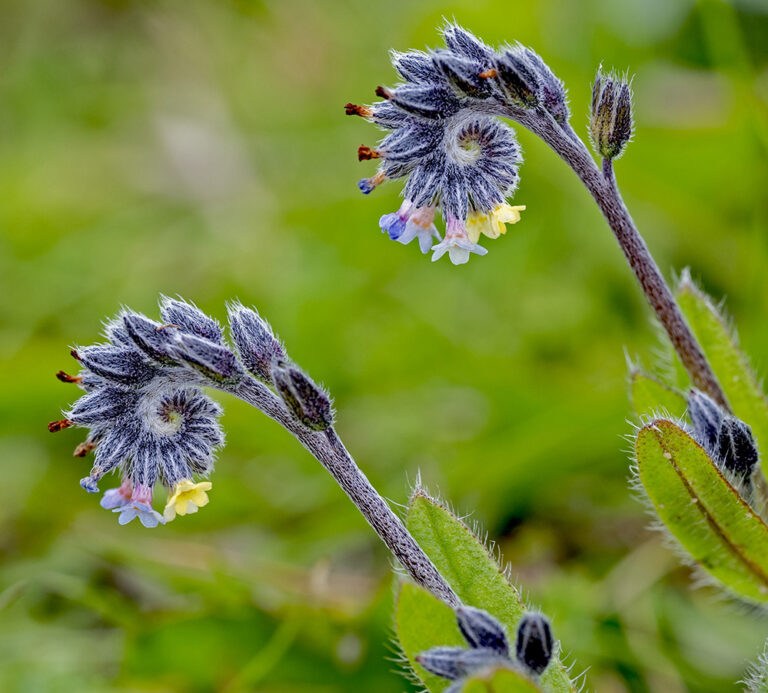
Flower Photography
Everyone has a camera, at least on their phone, but how do you capture lovely eye-catching images of plants? Simon Harrap is a prize-winning flower photographer and has published thousands of images of British wild flowers. Join him for a hands-on session and discover tips and techniques to use with everything from a smartphone to a high-end mirrorless camera.
Wednesday 24th June
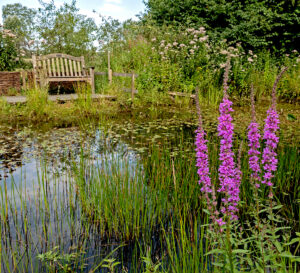
Ponds and pond life
Ponds are an essential part of a wildlife-friendly garden, supporting a wide range of plants and animals, and we will look at the design and management of garden ponds, both small and large. A session with nets at the one of our ponds will be the perfect introduction to pond life, both familiar and unfamiliar, as well as the wide range of native plants that can be used to make a pond a real have for wildlife.
Wednesday 15th July
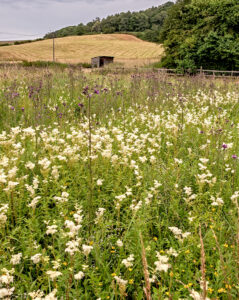
Meadows and Meadow Management
Flower-filled meadows have just about vanished from the British landscape, especially in lowland England - most remaining ‘wildflower meadows’ are in natures reserves and other protected areas. We will look at the history of meadows and what makes them so special, and what we can learn from their past as an integral part of the faming landscape, putting these lessons to work to create flower-filled grasslands in gardens and the wider countryside.
Wednesday 19th August
Introduction to Wildlife Friendly Gardening
Founded in 1989, Natural Surroundings pioneered wildlife-friendly gardening and we have decades of experience. Wildlife gardening is on everyone’s lips but what exactly does it mean? Cutting through the jargon we will look at the various interpretations of ‘wilding’, and ‘wildlife gardening’ and at the practical steps that you can take to make your garden more biodiverse and a haven for both people and wildlife. In late summer, although the number and variety of insects and other invertebrates is at a peak, many creatures are preparing for the winter ahead and it is a good time to look at how the garden can be wildlife-friendly all year round.
Saturday 5th September
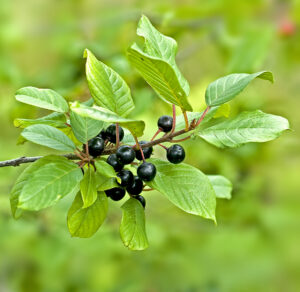
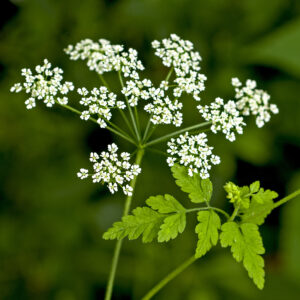
Plant Identification in late summer
Another session with Simon Harrap to discover some tricks of the trade. We’ll sit down and pull some plants apart to get to grips with the difference between sepals and petals, leaves and bracts, and then look if detail at the wild plants growing on the woodland and meadows at Natural Surroundings, as well as the gardens - this is a great time to get to grips with two ‘difficult’ groups, the yellow-flowered Dandelion lookalikes and the carrot family, often known as the ‘umbellifers’.